FairPath + Buffaly

Create more healthcare revenue. Keep the business that produces it.

Practices use FairPath to bring remote care in-house.

Pharmacy operators use it to build new service lines with clinics they already know.

FairPath organizes the core program workflow. Buffaly handles repeatable administrative work, connects the systems already in use, and builds custom workflows that would otherwise require more staff or more vendors.

No revenue share. Your organization keeps 100% of program collections.

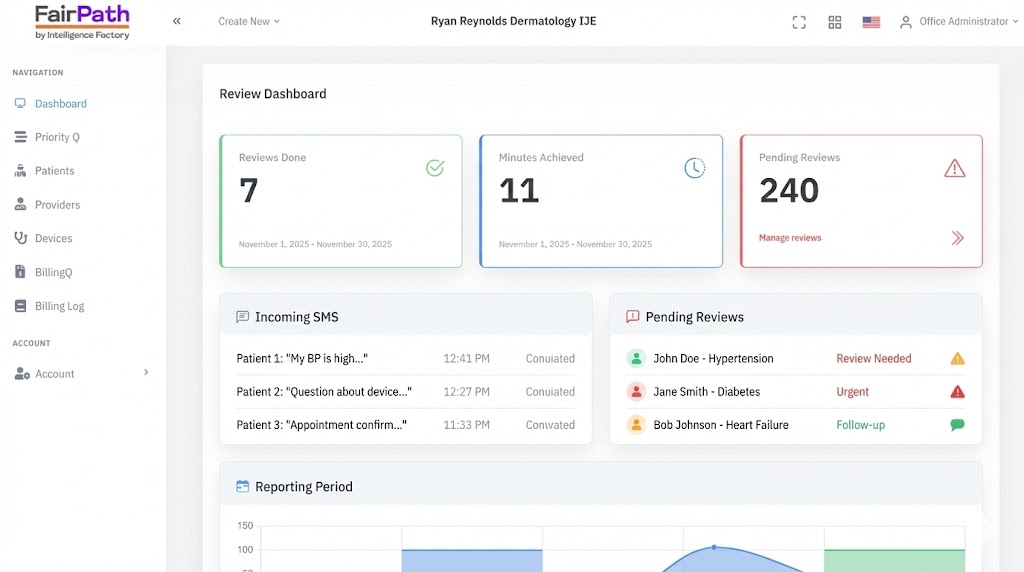
FairPath unified remote-care work queue
Prioritized work, program requirements, and billing readiness in one view.

FairPath has already run at real operating scale.

No revenue shareKeep 100% of program collections
200+Practices and operators
$36.7MReimbursement generated
4M+Clinical events processed
335K+Patient lives managed
10MRemote-care minutes

Historical FairPath and operator figures, not projections. Open the methodology for definitions and deployment context.

How these figures are defined
No revenue share Keep 100% of program collections
Your organization retains program collections and determines its commercial model.
200+ Practices and operators
Organizations represented across FairPath operating deployments.
$36.7M Reimbursement generated
Reimbursement paid to FairPath operator clients.
4M+ Clinical events processed
Events processed through active monitoring queues.
335K+ Patient lives managed
Lives managed on the FairPath operating platform.
10M Remote-care minutes
Operating experience of the team that built FairPath.

Owner input required: confirm the final source definitions and deployment context for the published scale figures before production publication.

Works with the systems your team already uses

Epic Athenahealth eClinicalWorks Cerner Tebra

FairPath and Buffaly connect through standard integrations, data exchange, APIs, and customer-specific workflows. The method depends on the system and deployment. Discuss My Environment

Partner Success Stories

Real partners. Real results. Zero headaches.

You should not have to trade control for help.

Most choices force one of three compromises: give up part of the economics, buy software and assemble the operation yourself, or wait for a generic roadmap to catch up with the business you are trying to build. FairPath and Buffaly use a different arrangement.

What you needWhat FairPath + Buffaly doesWhat changes for you
Keep more of the revenueFairPath takes no percentage of collections. Your team owns the program; FairPath organizes it and Buffaly handles repeatable administrative and system work.More of the value remains inside your business.
Run it without building a back officeFairPath routes daily work and keeps requirements visible. Buffaly moves data, handles configured repeatable steps, and routes exceptions.Patient volume can grow without administrative headcount growing at the same rate.
Get real help without giving up the businessWe train the team, help launch the first cohort, and remain involved when a workflow breaks or needs to change.Your staff learns the operation while the relationships, knowledge, data, and margin remain yours.
Change the system as the business growsWe can add integrations, reports, portals, automations, and custom software around the way you actually operate.You are not waiting for a generic product roadmap to decide whether the business can grow.
Use AI for actual workBuffaly moves data, runs bounded workflows, routes exceptions, and builds missing tools.AI reduces labor, handoffs, execution time, and vendor dependence rather than merely generating text.
Build beyond remote careUse the same operating layer to attract demand, capture intake, run services, connect systems, and launch the next revenue line.Remote care becomes the first capability, not the ceiling of the relationship.
Reduce vendor sprawlOne accountable relationship can cover platform, implementation, integration, automation, and custom work.Fewer handoffs, less duplicated spend, and clearer accountability.

You keep the revenue, relationships, data, and custom work.

FairPath is built for organizations that want the convenience of a serious operating partner without giving up the business they are building.

Money

No revenue share. You retain program collections and decide the commercial model.

Relationships

Patient, clinic, referral, and partner relationships stay with your organization.

Data

Exports, APIs, and documented transition procedures keep the operating record accessible.

Deployment and custom work

Private or customer-controlled deployment models are available. Rights in custom work are defined before development begins.

Deployment and contract details

Deployment, portability, API access, and rights in custom work depend on the selected engagement. The final terms are documented before implementation begins.

Choose the business you are actually building.

Practices

Bring remote-care revenue home without building another administrative department.

Run APCM, RPM, CCM, and RTM around the patients, staff, and billing relationships you already have. FairPath puts the work in front of the right person; Buffaly handles repeatable work around it.

  • Keep 100% of program collections
  • Route daily work
  • Track documentation and billing readiness
  • Start with a 25 to 50 patient pilot
See the Practice Model

Pharmacy operators

Add $20,000 per month to your pharmacy without new staff.

Start with one clinic and use existing pharmacy capability, FairPath, and hands-on enablement to build a new healthcare revenue line.

  • Clinic-facing resources and training
  • Partner portal and remote-care platform
  • Lead, intake, and system workflows
  • Custom tools as the operation grows
Show Me the Money

Active remote-care operations

Replace manual oversight with visible, routed work.

FairPath actively tracks requirements, readiness, and exceptions while your team owns and performs the work.

Operational stageManual oversightActive management with FairPath
Patient selectionHunt and peck. Staff search static lists and charts to decide what matters next.Prioritized work. Program fit, deadlines, and clinical risk bring the next patient forward.
EligibilitySilent drift. Coverage changes may surface after work is completed.In-cycle validation. Changes and missing requirements are flagged before more time is committed.
Daily routingSearch tax. Staff navigate lists between tasks and managers redistribute work manually.PriorityQ and ReviewQ. Role-based queues route routine work and clinical exceptions.
Evidence captureReconstructed notes. Time and detail depend on separate follow-up documentation.Evidence with the work. Calls, texts, and documentation produce timestamped records.
Billing readinessMonth-end cleanup. Teams discover incomplete work during reconciliation.BillingQ visibility. Ready and blocked work remains visible with the reason for each exception.
Multi-program scaleTool and manager sprawl. Each program adds screens, rules, and supervision.One operating spine. APCM, RPM, CCM, and RTM share patient, queue, timing, and review workflows.

What FairPath actually does

From patient opportunity to clean billing review.

One operating platform supports APCM, RPM, CCM, and RTM across the work your team performs every day.

01

Find and qualify the opportunity

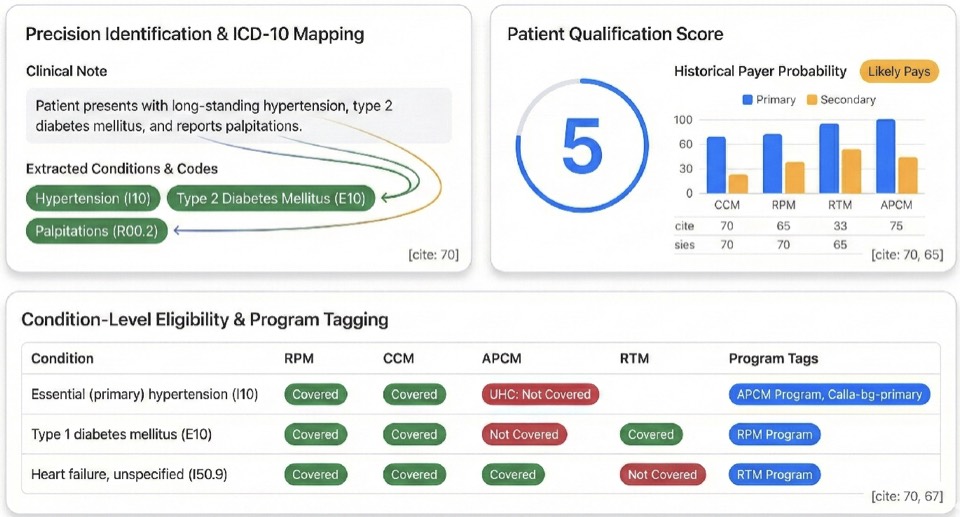
Use patient qualification scoring, payer and ERA intelligence, eligibility rules, and program mapping to identify where a service fits before staff time is committed.

  • Patient qualification score
  • Payer and ERA intelligence
  • Program and requirement mapping
FairPath patient eligibility and qualification dashboard
Qualification and eligibility information bring viable program opportunities forward.
02

Enroll and launch

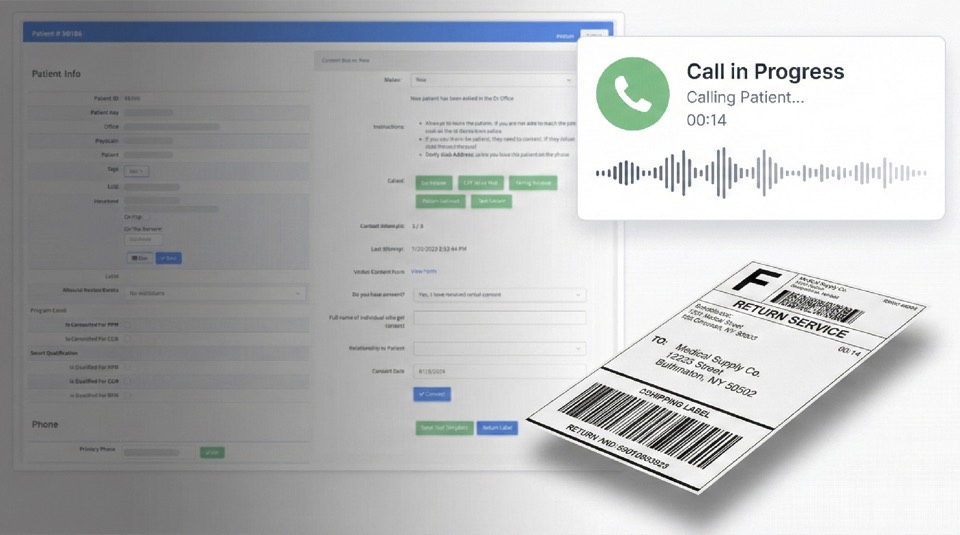
Move onboarding out of spreadsheets with browser-based calling, scripts, consent capture, training, and device logistics where a program requires them.

  • Integrated patient calling
  • Consent and communication records
  • Training and logistics workflow
FairPath structured patient enrollment and consent workflow
A structured enrollment flow keeps communication, consent, and next steps together.
03

Run the daily work

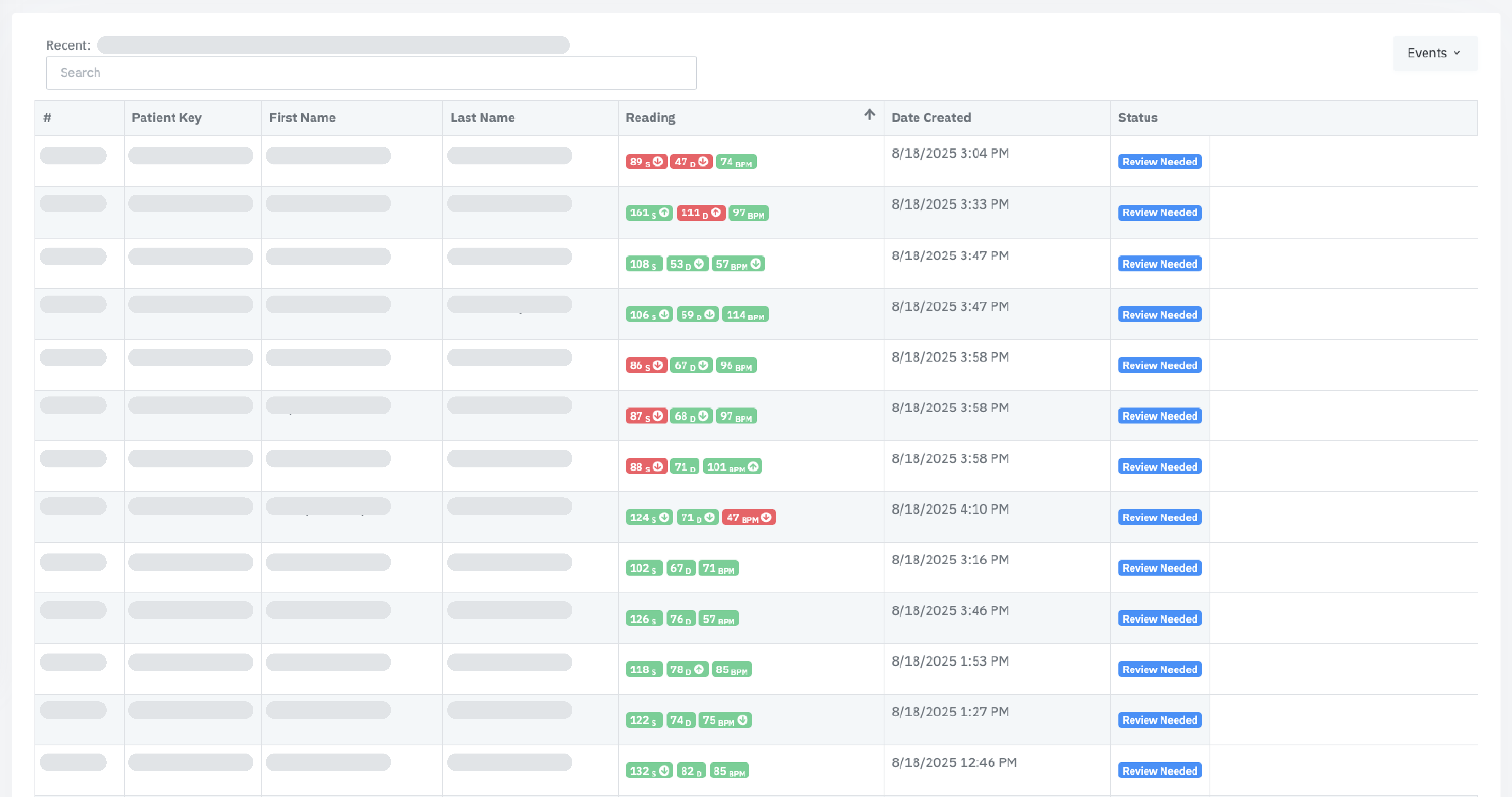
PriorityQ and ReviewQ sort routine work and clinical exceptions by urgency, program status, risk, and completion requirements. Calls and texts start from the queue and attach to the patient record.

  • PriorityQ operational routing
  • ReviewQ clinical exceptions
  • Amy, powered by Buffaly, supports routine reminders and troubleshooting
FairPath PriorityQ operational work queue
Teams work from prioritized queues rather than searching patient lists.
04

Prepare clean billing review

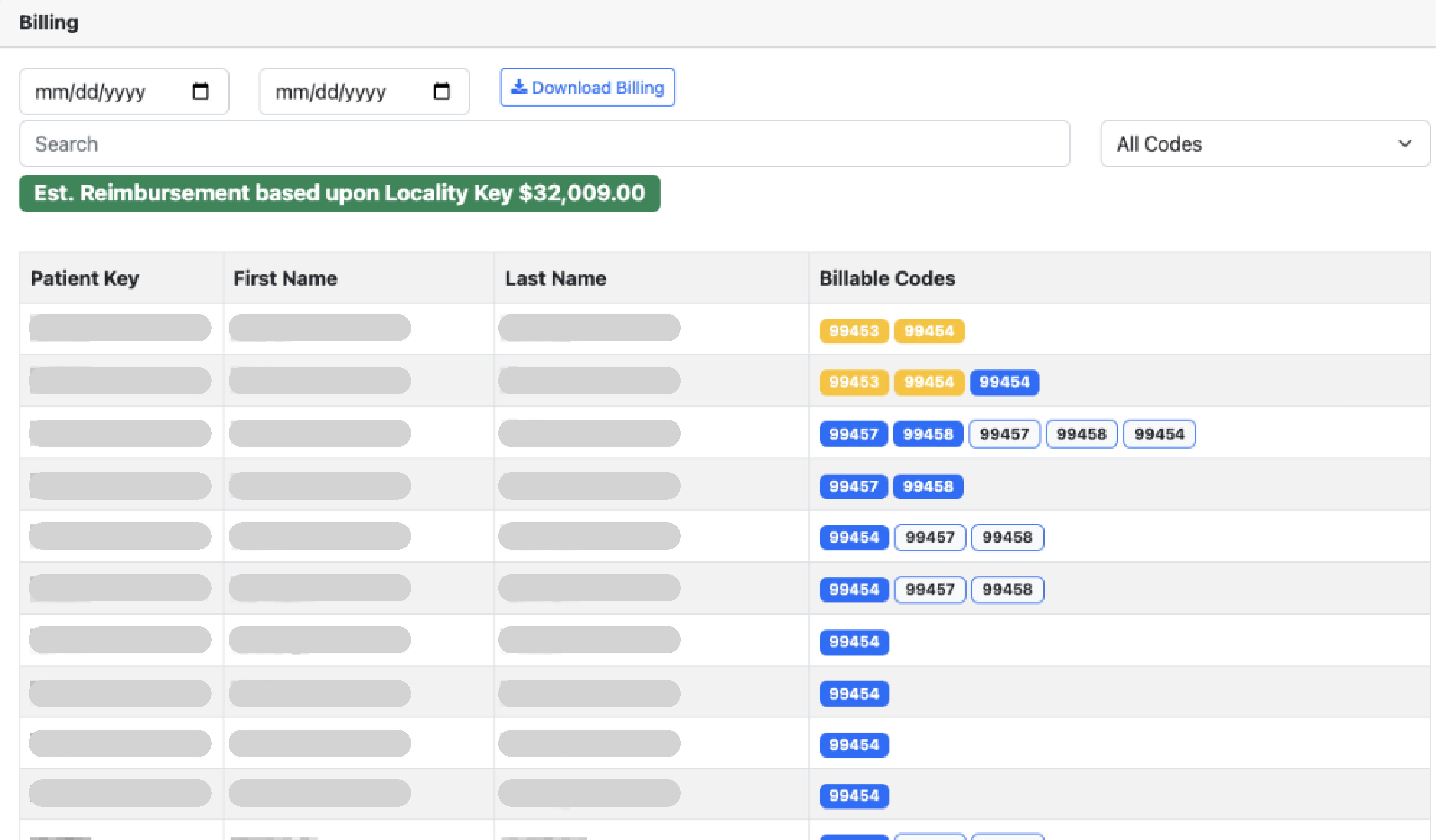
BillingQ applies configured program requirements, time thresholds, and cross-program rules so teams can see which work is ready and why other work remains blocked.

  • Time and activity tracking
  • Cross-program requirement checks
  • Ready-versus-blocked visibility
FairPath BillingQ billing-readiness view
BillingQ makes readiness and exceptions visible before month-end.
05

Manage clinical care

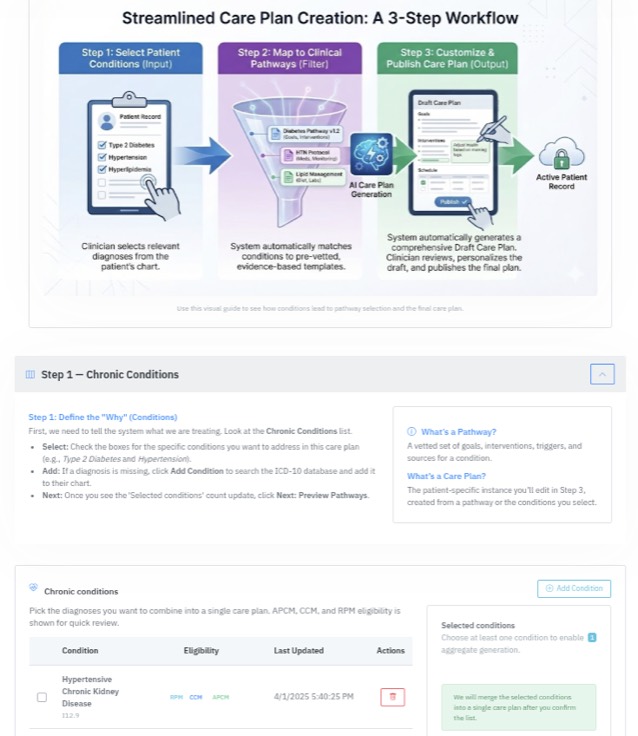
Structured care plans, evidence-based pathways, patient communication, and call transcription give clinicians one place to review the work that needs judgment.

  • Structured care plans and pathways
  • Integrated communication and time capture
  • AI-assisted drafting and transcription with human review
FairPath structured care-plan workflow
Clinical pathways and care-plan evidence remain connected to the operating workflow.

AI that does the work and builds what is missing.

Buffaly carries repeatable administrative and technical work around FairPath. Your team keeps control of decisions that require judgment while Buffaly moves information, coordinates systems, and builds the tools the work requires.

Grow

Create qualified demand around the healthcare services you operate.

  • Pharmacy and program websites
  • Reputation workflows
  • Clinical lead generation

Capture

Turn requests and interest into structured next actions.

  • Refill requests
  • Prescription transfers
  • Clinic and patient intake

Operate

Support repeatable administrative work around FairPath.

  • Eligibility and enrollment
  • Outreach and routing
  • Revenue-cycle work

Connect

Coordinate the systems the operation already depends on.

  • EMRs and practice-management systems
  • Payer portals and APIs
  • Browser-based systems

Build

Add the capability the next operating step requires.

  • Reports and portals
  • Custom workflows and automation
  • Customer-specific software

A transfer request should become assigned work, not another email.

A patient submits the request through the pharmacy website. Buffaly checks that the required information is present, routes the request to the correct employee, updates the configured record, and flags anything that needs human review.

Human control: pharmacy staff make identity, clinical, legal, and fulfillment decisions. Buffaly makes sure the request is complete, visible, and assigned.

Input
Patient, prescription, current pharmacy, and contact details.
Systems touched
Website intake, staff queue, pharmacy record, and configured connected systems.
Automated actions
Validate required fields, classify the request, route it, update records, notify staff, and preserve the result.
Human decision
Staff review identity, clinical, legal, fulfillment, and exception questions.
Output
A complete request is ready for staff action. Incomplete or exceptional requests are visibly escalated.
Record produced
The source request, routing result, staff decision, and final status remain available for review.

Measured operating impact

Results are strongest when the mechanism is visible.

These deployment examples describe the operating change behind each result. Outcomes vary by starting workflow, patient volume, program mix, staffing, and execution.

800% increase

Onboarding throughput

Starting problem: Manual insurance verification required payer-portal work that took approximately 45 minutes per patient.

Operating change: FairPath eligibility checks reduced the workflow to under five minutes, allowing one intake specialist to process the volume previously requiring substantially more manual capacity while reducing downstream denial risk.

53% less

Wasted time blocks

Starting problem: Time was spent on patients already capped on billing units while other work stopped short of a threshold.

Operating change: Priority logic brought the most important patients and incomplete thresholds forward, reducing wasted blocks without removing clinical review.

Capacity reclaimed

During each clinical shift

Starting problem: Nurses spent approximately 90 seconds between tasks navigating lists to determine who to call next.

Operating change: PriorityQ served the next patient and task directly, returning time that had been lost to searching and sorting. The exact capacity gain depends on shift volume and workflow.

Start with one real operation

Choose the smallest next step that creates useful evidence.

Start with one clinic

See the pharmacy operating model and the steps for launching with one clinic relationship.

Show Me the Money

Practical program resources

Use the guides your team needs to make the next decision.