FairPath Resources Library
A curated reference library for RPM, APCM, CCM, RTM, and payer policy.
Built for practice owners, RCM leaders, and clinical operations teams.
Trending & Urgent
View all video briefs
UHC Postpones RPM Rollback
Official PDFs still show Jan 1, but the policy is delayed. Here is the strategy.
The "Block Gapping" Risk
Why pausing billing cycles creates gaps that auditors target.
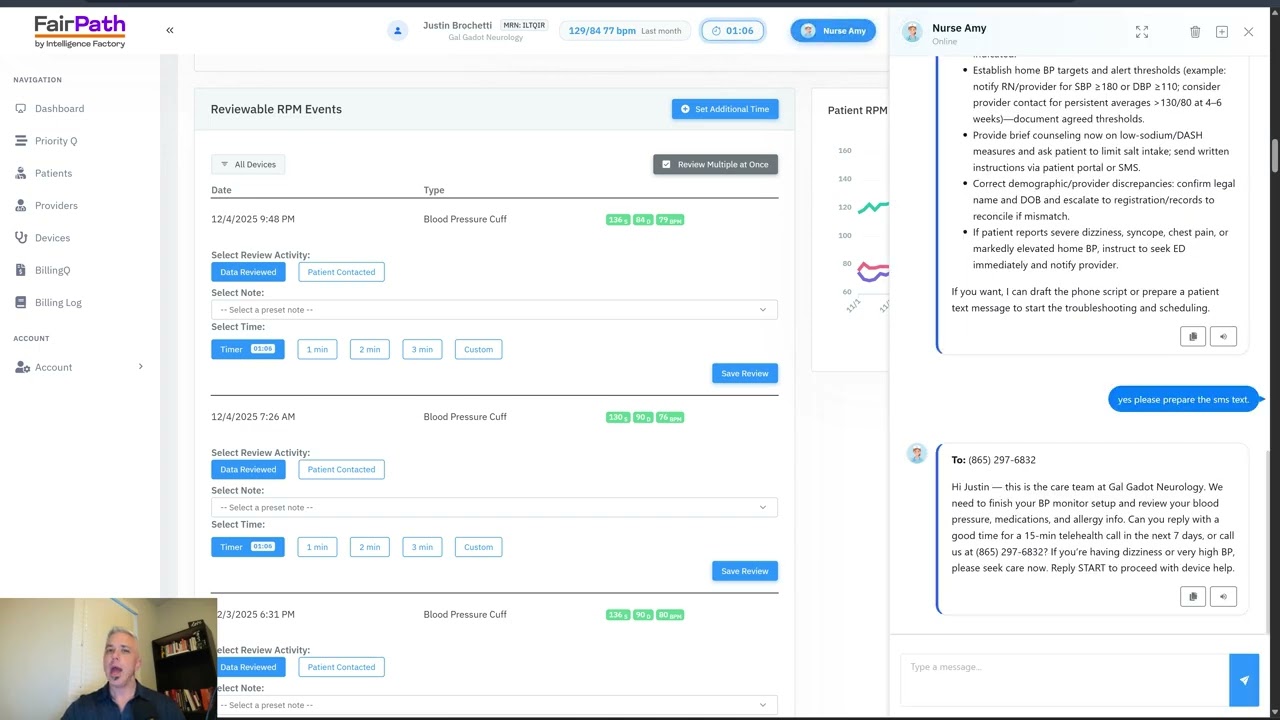
Reviewing RPM Data (No Spreadsheets)
Block "Ghost Minutes" and automate the CPT 99457 timer.
Core Program Guides
Definitive ManualsThe 2026 RPM Manual
Codes 99453, 99454, 99457
The APCM Playbook
Codes G0556 - G0558
CCM Billing Guide
Codes 99490, 99491
RTM for Specialists
Codes 98975, 98977
Annual Wellness Visits
Medicare PreventionUnderstanding Annual Wellness Visits: An Operational Resource
Purpose, eligibility, required components, telehealth, team roles, prevention planning, evidence, and follow-up controls.
AWV Codes and Billing: An Operational Reference
G0402, G0438, G0439, frequency, ACP, modifiers, documentation, claim readiness, and common coding errors.
AWV Codes and Billing: An Operational Reference
A concise code-selection, eligibility, documentation, claim-review, and denial-control reference for AWV operators.
Advance Care Planning in the AWV: An Operational Reference
Voluntary ACP, consent, 99497 and 99498, time capture, documentation, modifier 33, and cost-sharing controls.
Pharmacy Support for Annual Wellness Visits: Roles and Controls
Preparation, medication evidence, practitioner review, documentation handoffs, scope boundaries, and escalation controls.
Integrating AWV with RPM, RTM, CCM, and APCM
How AWV findings can support program review without replacing independent eligibility, consent, documentation, or billing requirements.
AWV Workflow and Component Checklist
A phased checklist for preparation, required and conditional components, prevention planning, telehealth, evidence, and billing handoff.
The Role of Annual Wellness Visits in Value-Based Care
A focused resource on prevention planning, team participation, care-gap closure, and coordinated follow-up in value-based care.
Value-Based Care Resources
Strategy & ModelsThe Value-Based Care (VBC) Landscape: Models, Metrics, and What's Changing
A strategic primer on payment models, quality metrics, and where 2026 shifts put pressure on margin.
Measurement and Reporting: Proving Value in VBC
How to track quality, utilization, and cost without losing operational control.
The Role of Chronic Care Management (CCM) in VBC
Where CCM fits in value-based contracts and what outcomes it supports.
The Role of Remote Patient Monitoring (RPM) in VBC
How RPM closes quality gaps and reduces avoidable utilization.
The Role of Remote Therapeutic Monitoring (RTM) in VBC
Therapy adherence signals that improve outcomes for musculoskeletal and chronic care.
The Role of MTM/CMM in VBC
Integrating medication therapy management into risk-based reimbursement.
The Role of Transitional Care Management (TCM) in VBC
Reducing readmissions while meeting continuity and documentation requirements.
The Role of Immunizations in VBC
Closing care gaps with preventive services that lift quality scores.
RTM Briefs
Coding Guidance
RTM vs. RPM: The Difference
Physiological vs. Therapeutic data signals explained.
RPM Device Supply & Coding
Integrity & 99454The “Block Stretching” Trap (99454)
Why extending billing windows to “reach 16 days” misstates the billed unit and creates denial risk.
The “Block Gapping” Risk (99454)
How pausing cycles until adherence returns can resemble period manipulation and create audit exposure.
2026 RPM Coding Changes
Authoritative breakdown of the new 2 to 15 day and 10 to 19 minute rules--and how to automate them safely.
The 2026 RTM Update & 2 to 15 Day Codes
How RTM supply/time windows change, plus therapy modifiers and assistant rules.
Anthem CG-MED-91: 2026 Short-Cycle RPM/RTM Codes
Anthem’s 12/18/2025 guideline update adds 2 to 15 day and 10-minute codes, forcing new eligibility and documentation logic.
RPM and RTM After 2026: Shorter Thresholds, Same Burden
Why attribution and evidence controls still matter despite shorter thresholds.
APCM & Care Management
2026 ReadinessEating Disorders and CCM
Eligibility, documentation, code selection, and care-coordination guardrails for eating disorder patient-months.
APCM Bundle Rules: When CCM/PCM Must Stay Off the Claim
Once-per-month APCM logic and bundled services you cannot stack.
APCM Eligibility, Attribution, and Continuity
Why CMS treats eligibility and continuity as one monthly system.
APCM Readiness Checklist (2026)
One-page operational checklist covering BH add-ons and guardrails.
APCM Behavioral Health Add-On Rule (2026)
Why G0568/G0569/G0570 must be billed by the same practitioner in the same month as APCM.
APCM Reporting Guide
End-of-year reporting requirements, practitioner responsibilities, and audit-ready documentation steps.
Advanced Primary Care Management (APCM) Guide
Practical guidance on APCM eligibility, billing rules, and implementation readiness.
FairPath Feature Series
Platform Demos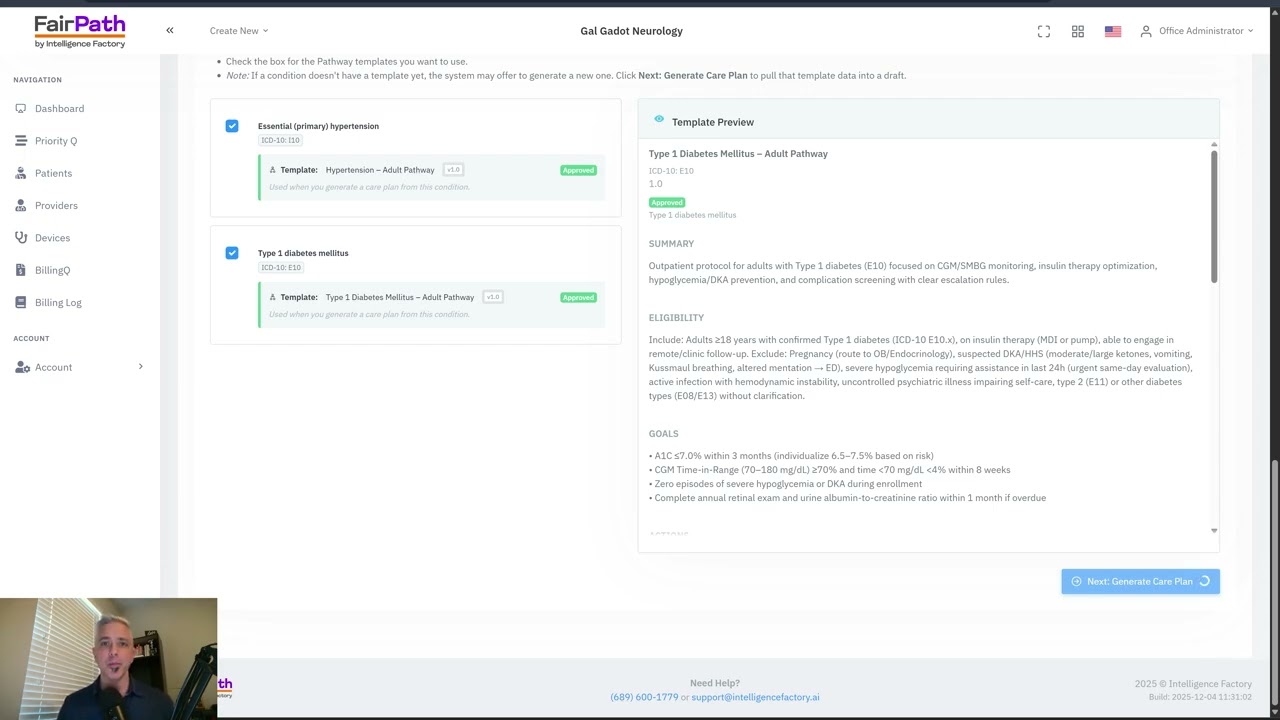
Building an Audit-Ready Care Plan
Constructing a multi-condition protocol in 90 seconds.
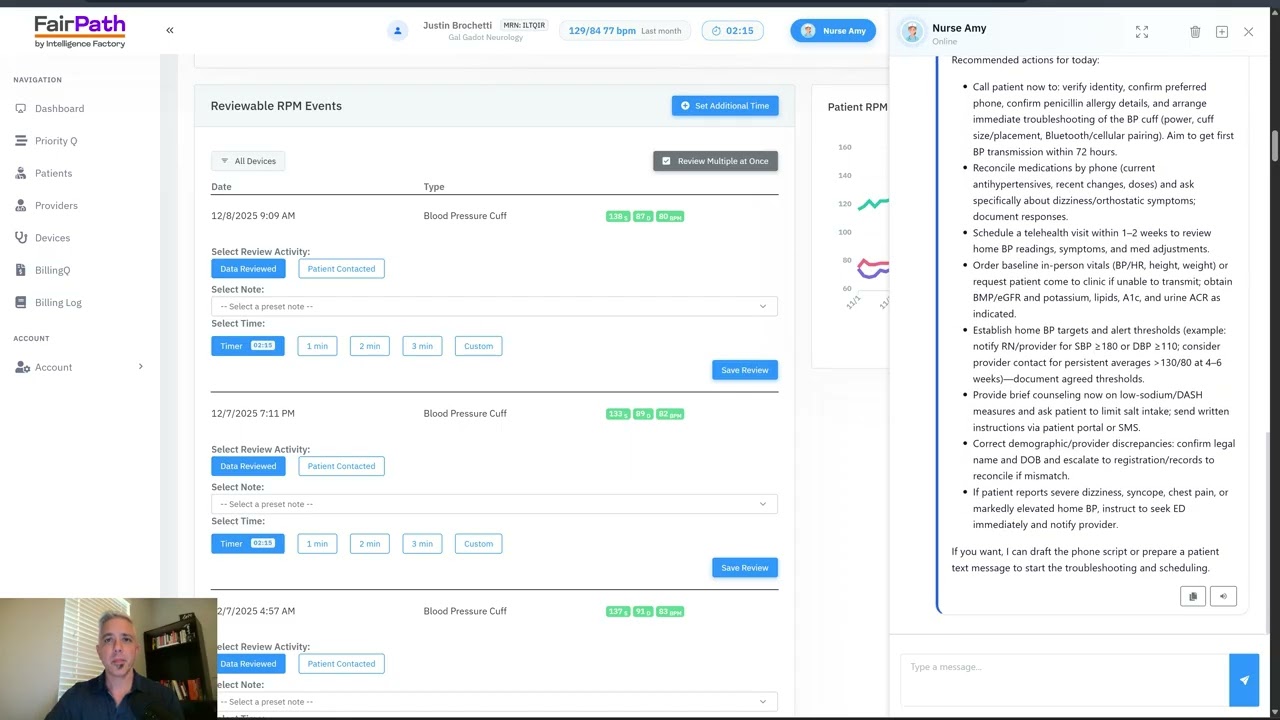
Amy: AI Assistant Triage & Support
Using agentic AI to solve device issues and filter alerts.
Audit & Guardrails
OIG & MUETop 5 OIG Red Flags for RPM
The most common oversight triggers--from stacking to missing evidence.
OIG 2026 RPM Audit Prep
Understand the oversight cycle and defensive workflows before fieldwork starts.
Percentage-of-Collections Vendor Compensation
Why revenue share creates AKS and Stark risk in RPM, CCM, and RTM vendor contracts.
The Zombie Patient Audit Defense
How Part D adherence signals can contradict RPM billing--and how to neutralize the audit risk.
CMS 2026 Q1 MUE Guide
What changed in the Jan 1 tables and how MAI drives denials.
Virtual Direct Supervision
Documenting immediate availability under permanent A/V rules.
RHC/FQHC Billing 2026
Replacing wrapper codes with component evidence.

The "Block Stretching" Trick
How extending billing cycles dilutes your annual revenue.

Enrollment Velocity Risk
Why adding 500 patients in one month triggers an audit.

The "Vendor Trap"
Why indemnification clauses don't stop the OIG.
Payer Volatility & Policy
Coverage & EconomicsUHC Just Cut RPM. Here's How to Protect Your Practice.
Strategy when a major payer narrows RPM indications.
UHC Postpones RPM Rollback, But PDFs Still Show Jan 1
Operational guidance for the mismatch between delay communications and written policy.
Insurers Rolling Back RPM Coverage in 2026
Eligibility and documentation playbook for narrowing coverage.
ACCESS + TEMPO Guide
Operationalizing enrollment and device posture.
Billing RPM Under Capitation
Fixing CO-24 denials and bundle logic.
Why OPPS Creates RPM Risk
How OPPS data influences rates and volatility.
2026 PFS Final Rule: Full Breakdown
APCM, BHI add-ons, RPM/RTM implications, and operational automation steps.
Why the 2025 to 26 Rule Changes End the RPM Vendor Era
How APCM reshapes economics and why vendor splits erode margin.
Operations & Vendor Exit
PlaybooksFrom Minutes to Ownership (2026)
How CMS is re-weighting care management around attribution integrity.
Operators & Pharmacy
Clinical ExpansionThe Integrated Pharmacist: Hybrid Operations Strategy
Telepharmacy, remote dispensing, and value-based care tactics for expanding pharmacy revenue without expanding real estate.
The Rural Arbitrage: RHC Unbundling Opportunity
How independent pharmacies can power care coordination when RHCs shift to unbundled billing in 2026.
The Incident To Pathway: Operationalize APCM Under Incident To
How pharmacies can build a compliant incident to operating model that unlocks APCM billing with a partner clinician.
Telepharmacy vs. Clinic-Partnered Remote Care
A practical guide for deciding between remote dispensing access and clinic-partnered APCM, CCM, RPM, or RTM operations.
The Pharmacy Firewall: Part B vs. Part D Time Allocation
Operational controls that separate clinical intent from dispensing work to reduce Part B audit exposure.
Monetizing the Deprescribe: RTM as Counter-Revenue
Align RTM payments with deprescribing work when better clinical care means fewer fills.
Tools & Calculators
InteractiveCompliance Signal Scanner
Generate a confidential RPM Fraud Risk report based on the same OIG fraud red-flag signals auditors already monitor.
APCM Revenue Calculator
Estimate stable, predictable monthly revenue under Advanced Primary Care Management.
Case Studies
See how practices use FairPath to automate compliance, tighten documentation, and build durable remote-care operations.
Discuss the Practice Model
Use the calculator to compare RPM, APCM, CCM, and hybrid models based on your panel and payer mix.
Open the Revenue CalculatorFairPath is designed to handle this complexity for you.
While most platforms simply record what happened, FairPath actively runs the program. It continuously monitors every patient, staff action, and billing rule across CCM, RPM, RTM, and APCM, intervening immediately when a requirement is missed.
This allows you to scale your own program without losing quality, breaking trust with physicians, or losing control of your revenue. We provide the precision of an automated medical director without the chaos.