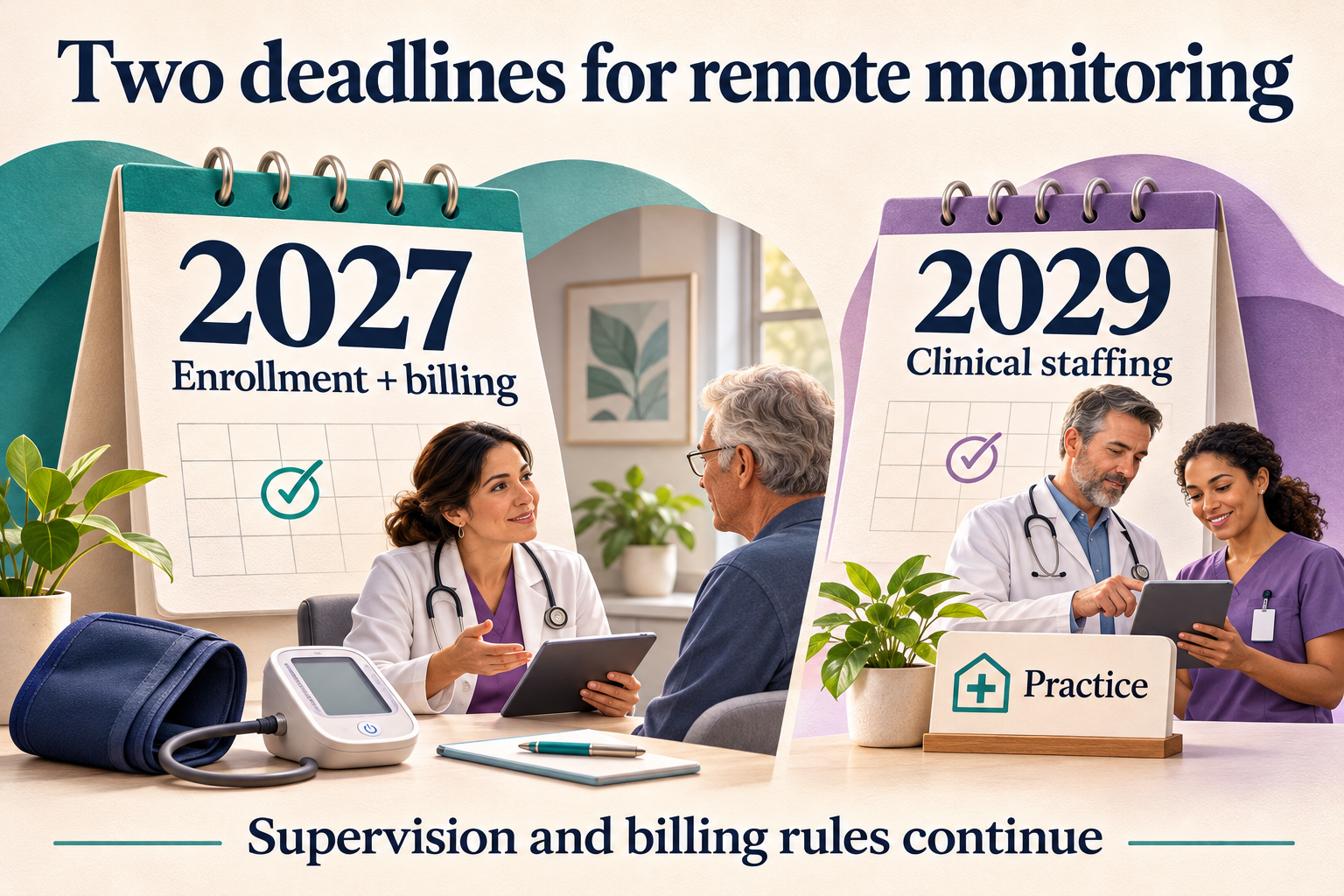
2027 Medicare Physician Fee Schedule Final Rule: What Changes for RPM, RTM and Primary Care
Prepare for 2027 enrollment and payment changes while planning separately for the 2029 clinical-staff employment requirement.
Read MoreOperational guidance and analysis for APCM, RPM, RTM, and value-based care execution.
Prepare for 2027 enrollment and payment changes while planning separately for the 2029 clinical-staff employment requirement.
Read More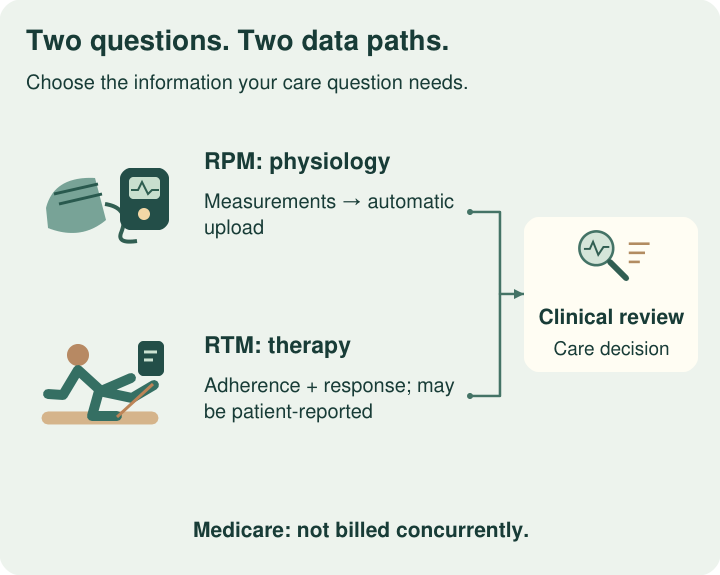
Compare RPM and RTM by clinical question, data type, practitioner framework and 2026 CPT reporting, with practical patient-selection examples.
Read More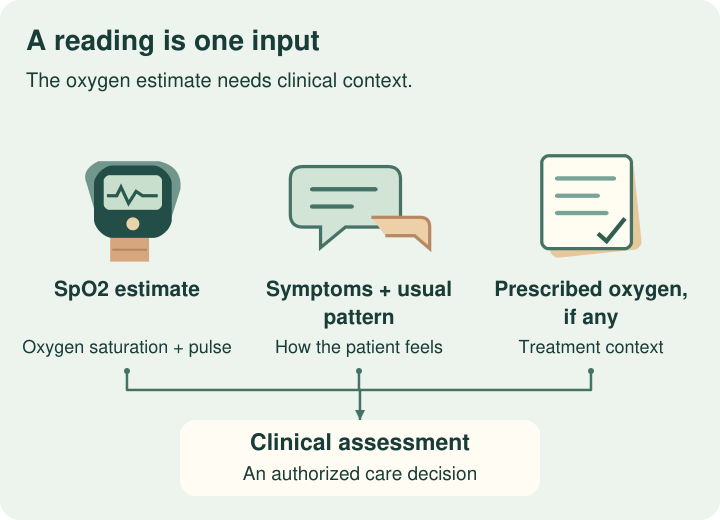
Build a COPD RPM workflow that combines pulse-oximeter estimates, symptoms and treatment context with accountable clinical follow-up and accurate Medicare reporting.
Read More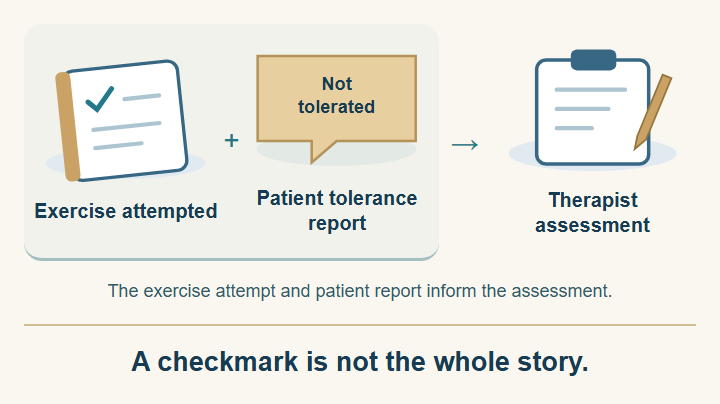
Build physical-therapy RTM into the plan of care with patient tolerance reports, therapist assessment and accurate 2026 CPT reporting.
Read More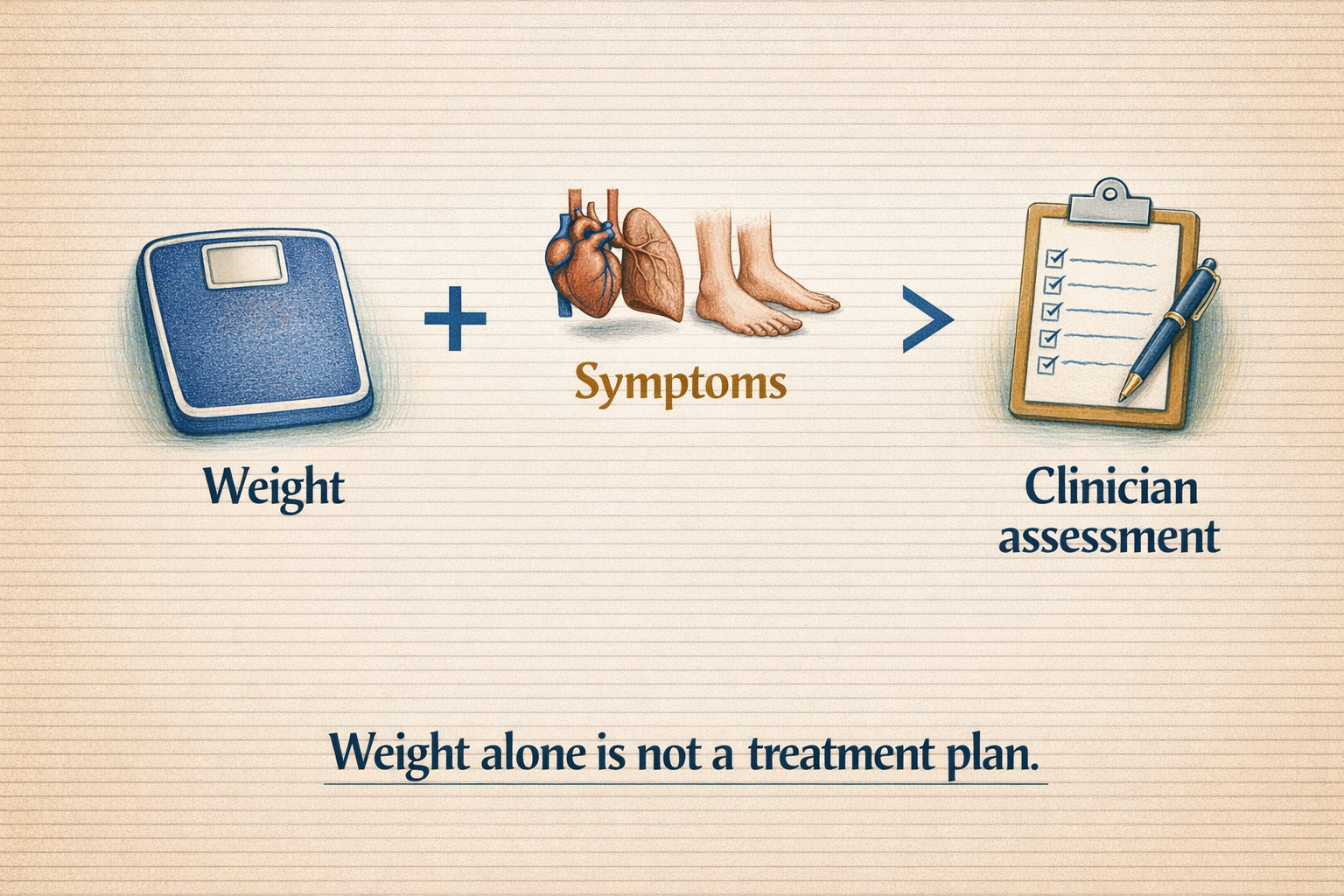
Connect weight readings, symptoms and accountable clinical follow-up in a heart-failure RPM program, with current Medicare billing requirements.
Read More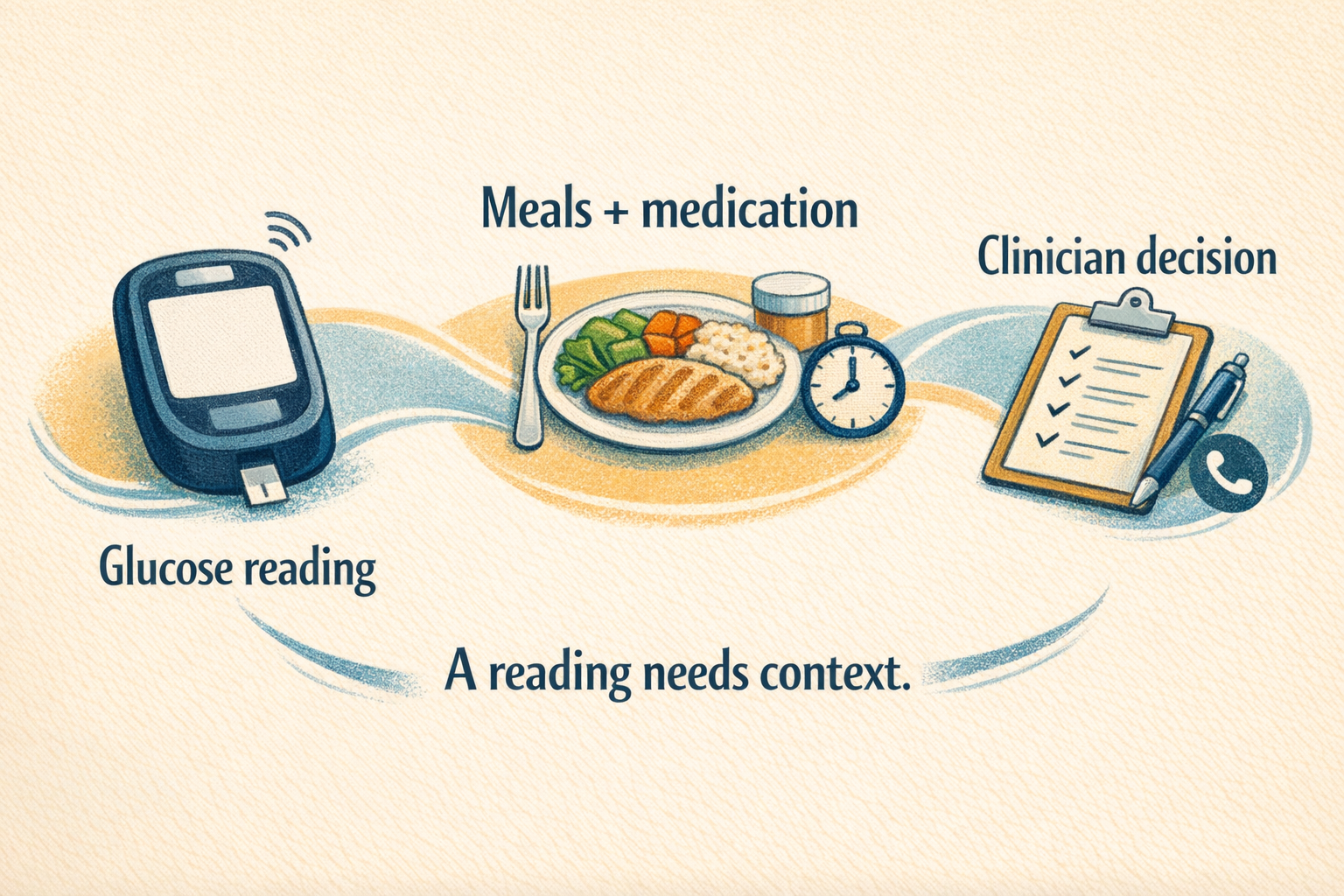
Build a diabetes RPM workflow with appropriate glucose devices, patient-specific action plans, Medicare eligibility and separately supported 2026 billing.
Read MoreRPM brings physiologic readings into treatment decisions. CCM coordinates care across multiple chronic conditions. Compare patient fit, Medicare requirements, and billing both without double-counting time.
Read More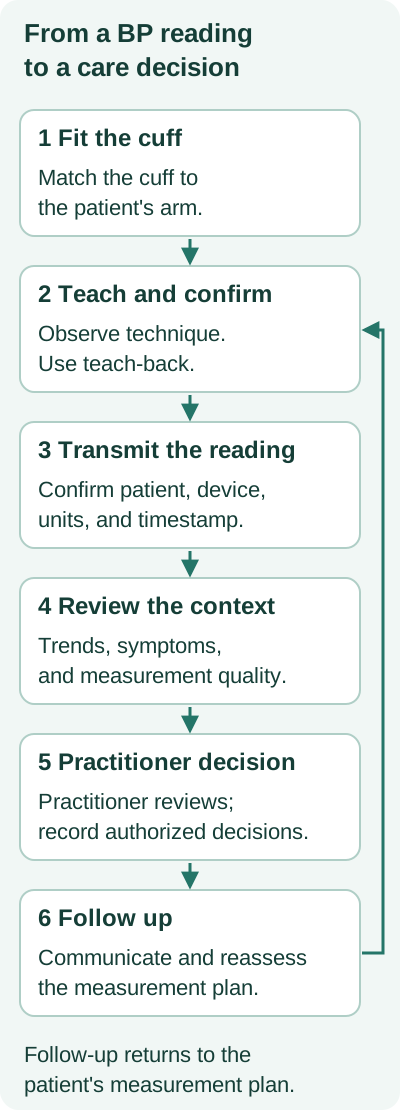
A reliable reading needs more than a connected cuff. Put measurement quality, clinical review, practitioner decisions, and follow-up into one practice-owned workflow.
Read More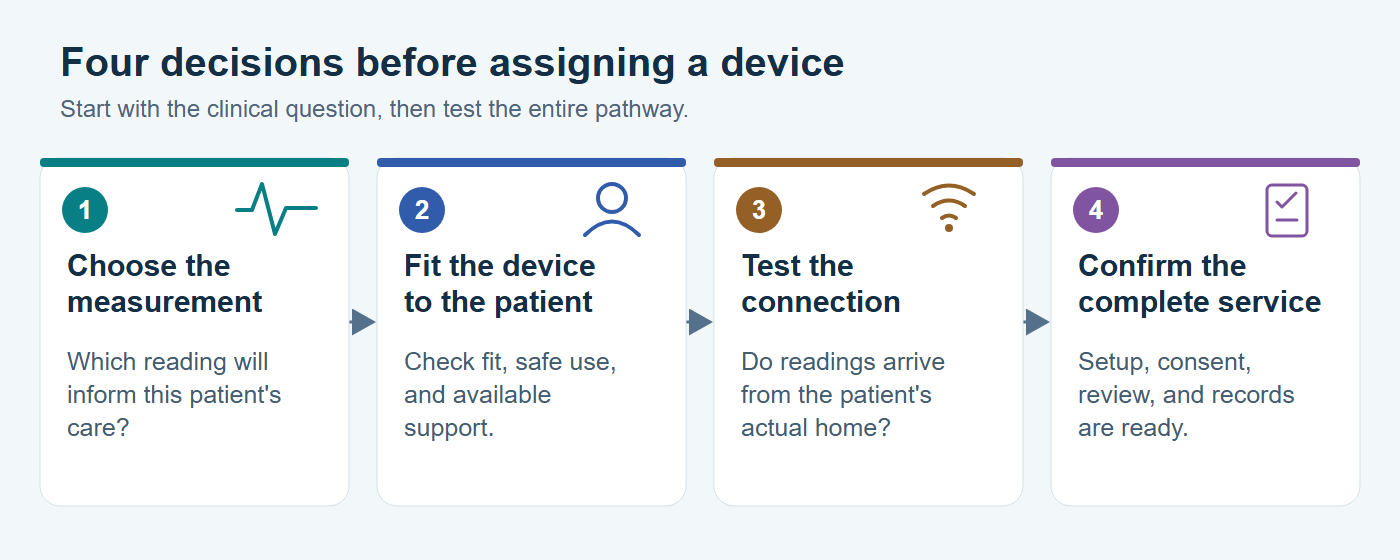
Choose the measurement first, then the device. Compare patient fit, cellular and Bluetooth connections, and the evidence your practice needs before buying at scale.
Read More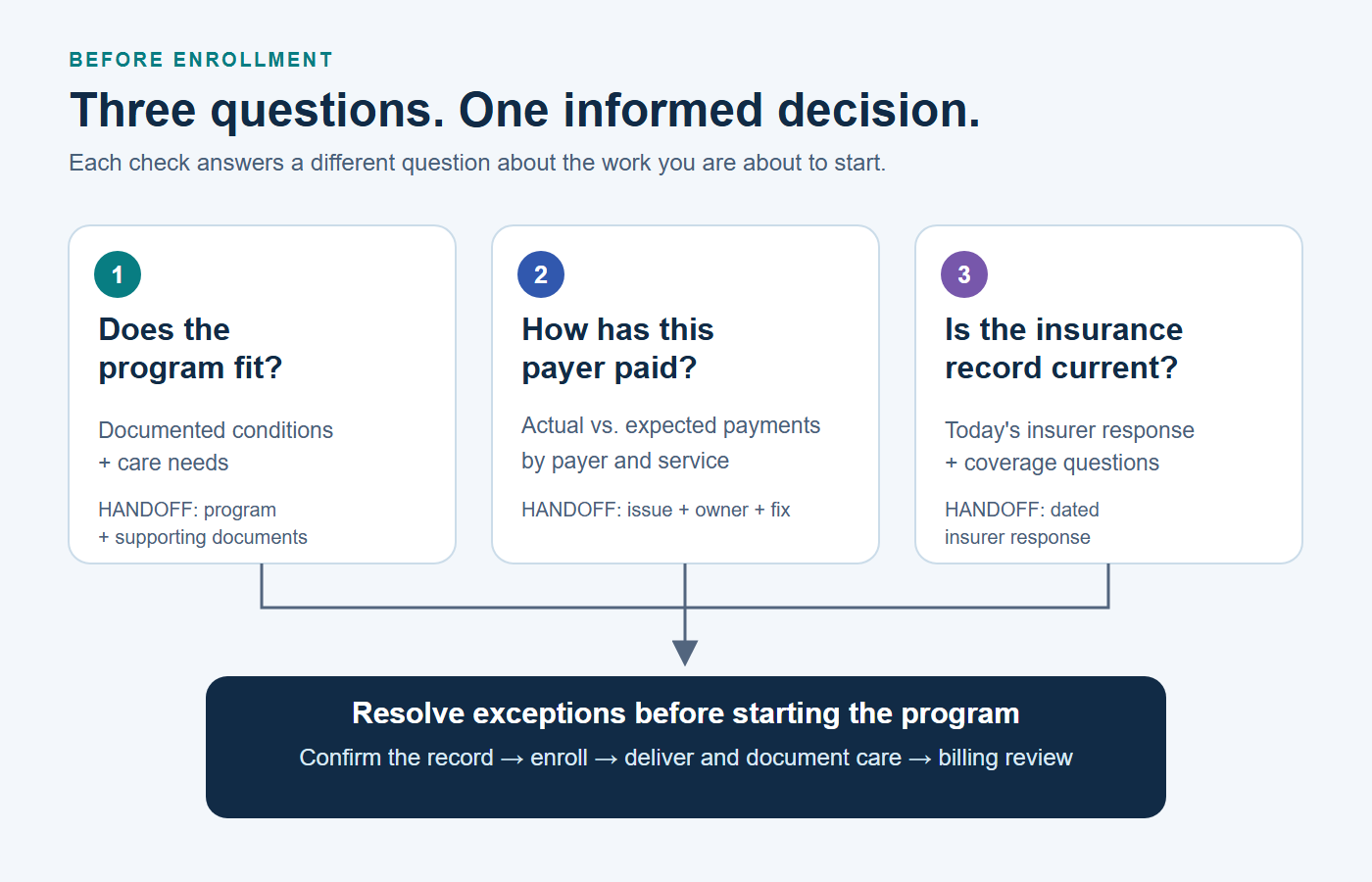
A denied claim arrives after your team has already done the work. Use three connected checks to catch avoidable enrollment and payment problems earlier.
Read More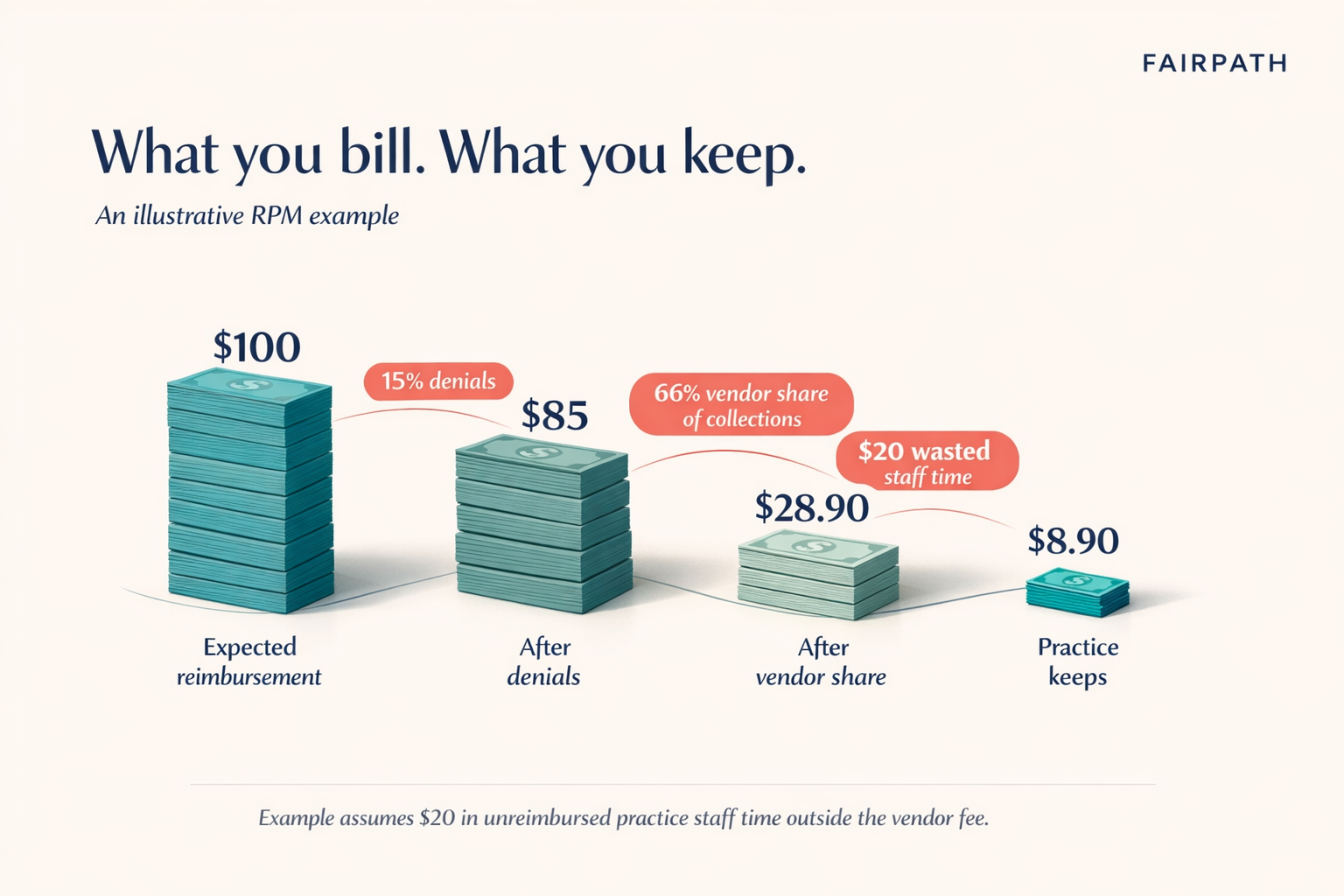
The costs of RPM, APCM, and CCM exist whether you outsource or run the program yourself. FairPath helps reduce wasted clinician time, manual work, and payment rework.
Read More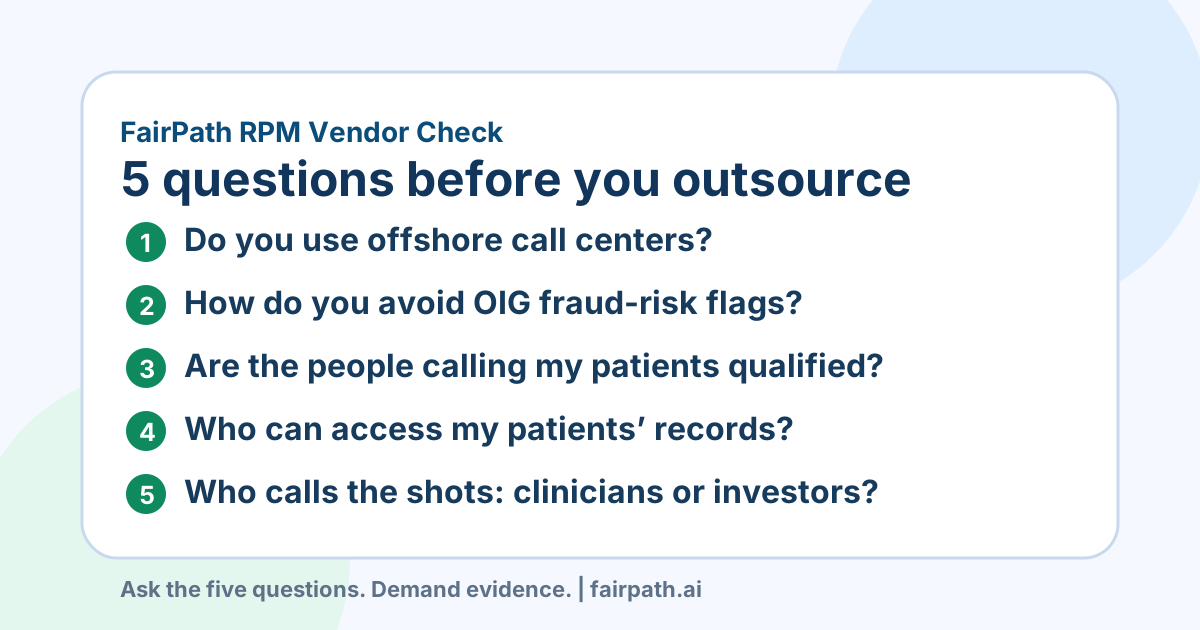
Before outsourcing remote patient monitoring, ask vendors how they staff the work, document care, contact patients, control record access, and manage financial incentives.
Read More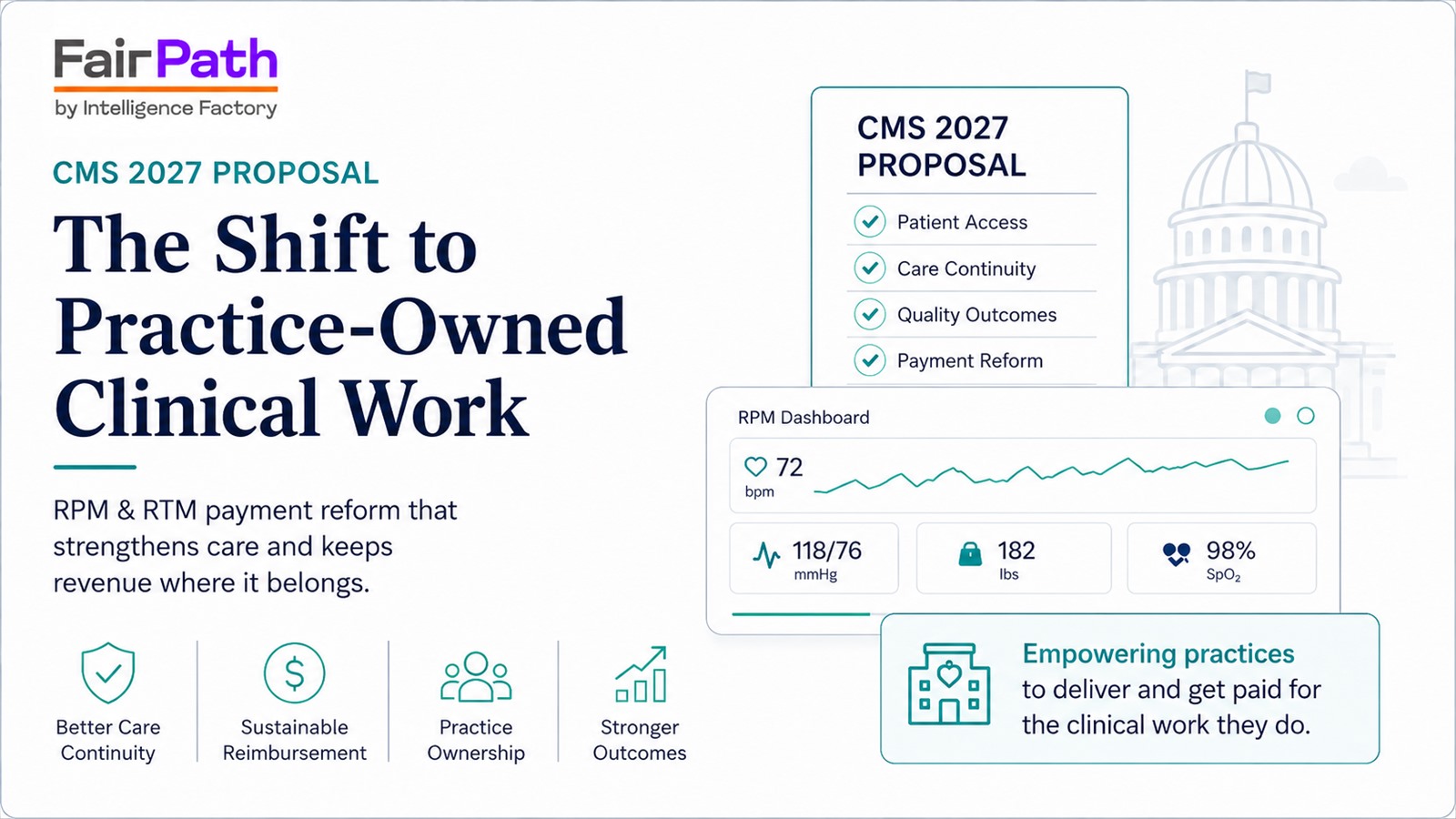
Your clinical team can run RPM and APCM without an outsourced clinical vendor. FairPath brings the readings, care plans, communication, and program requirements together.
Read More
A physician or other QHP bills Medicare RPM and remains accountable for the claim. Eligible clinical staff may perform qualifying treatment-management work under current supervision and incident-to rules, while CMS has only proposed a direct-employee restriction for 2027.
Read More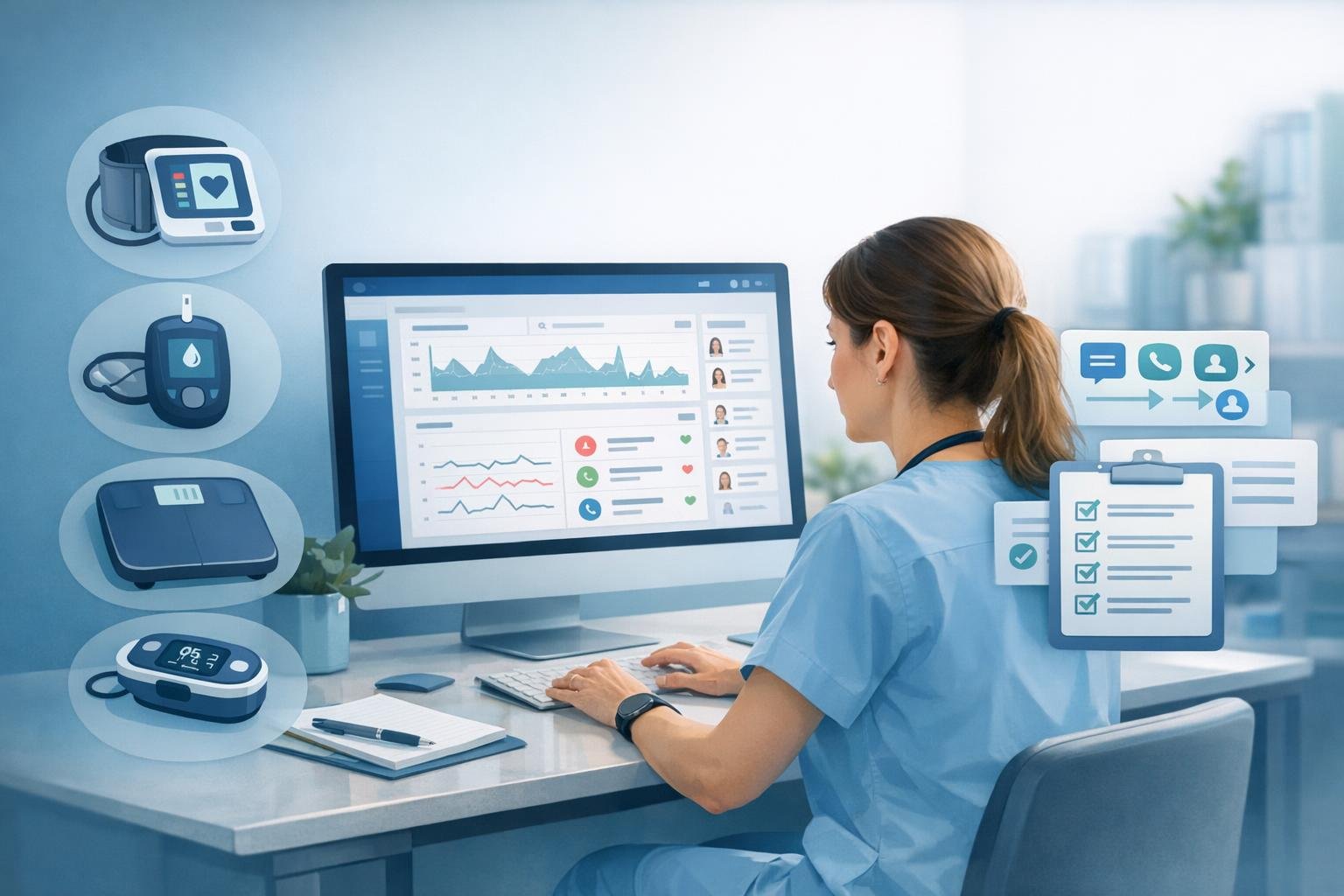
You do not need to hand your RPM program to a third-party vendor that takes a percentage of collections. Start small, keep clinical control, and use FairPath as the operating layer for eligibility, enrollment, devices, documentation, code readiness, and billing records.
Read More
CMS proposes limiting billable RPM and RTM clinical-staff work to direct employees of the billing practice beginning in 2027. Practices that own the clinical work, documentation, patient relationship, and program economics are best positioned for what comes next.
Read More
FairPath is expanding beyond remote care enrollment. Practices can now use FairPath to coordinate outreach, automate follow-up, and manage patients even when no RPM, RTM, CCM, or APCM program applies.
Read More
FairPath helps practices using Tebra/Kareo reduce duplicate documentation work, connect care-management workflows, and save time on RPM, CCM, APCM, billing, and report follow-up.
Read MoreTUMI Medical Corporation delivers primary care, chronic care management, palliative care, and diagnostic services in patients' homes. FairPath gives its team the operational infrastructure to manage that complexity as the practice grows.
Read More
OIG's new CCM audit focus shows why practices and pharmacy partners need pre-claim intelligence that connects eligibility, care plans, evidence, overlap checks, and billing readiness before claims go out.
Read More